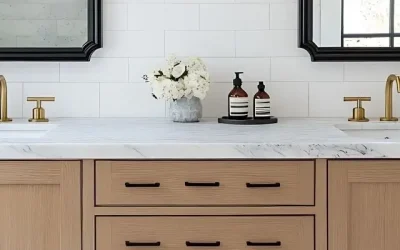
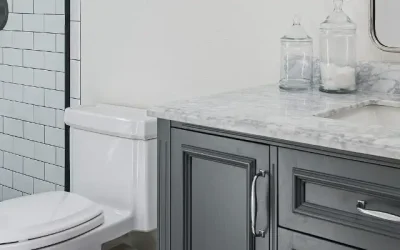
Bathrooms on the Gold Coast are notorious for mould. Heat, humidity, and daily steam create the perfect environment for it to spread fast, even in newer homes. Beyond looking unpleasant, mould can trigger allergies, stain grout, lift paint, and eventually cause structural damage if moisture makes its way behind tiles or into subfloors. What often starts as a small patch in the corner can quickly become a costly repair job. The good news is that mould isn’t inevitable. When bathrooms are designed with proper ventilation, compliant waterproofing, and a layout that allows air to circulate, they stay fresher, healthier, and easier to maintain.
Causes of Mould in Bathrooms
Mould doesn’t just appear for no reason. It needs three things to grow: moisture, warmth, and still air. Unfortunately, most bathrooms provide all three, which is why mould is such a common problem for homeowners. Here are the most common causes of mould growth:
- High humidity. Coastal air already carries plenty of moisture, and when you add steam from hot showers, bathrooms often stay damp long after use.
- Poor ventilation. Without a properly placed exhaust or effective airflow, steam lingers on surfaces and condensation builds, giving mould the perfect environment to spread.
- Water leaks. Even small drips from taps, pipes, or shower screens can create hidden damp spots. These areas usually go unnoticed until mould is already established behind tiles or cabinetry.

- Inadequate waterproofing. Waterproofing membranes beneath tiles and in wet areas are designed to block moisture from reaching walls and floors. If they are missing or not installed correctly, water seeps through and mould soon follows.
- Trapped moisture. Cluttered benchtops, bulky vanities, and tight layouts stop air from circulating properly. With little airflow, damp corners become breeding grounds for mould.
The Importance of Ventilation
Ventilation is one of the biggest defences against mould in a bathroom, especially in the Gold Coast’s humid climate. Without proper airflow, steam from daily showers lingers on walls, ceilings, and grout. That lingering moisture encourages mould growth, damages finishes, and makes the bathroom harder to clean and maintain. A well-designed ventilation system removes damp air before it settles, helping the room dry quickly.
These are some of the best practices that make ventilation effective in our coastal climate:
- Exhaust fans vs windows. Opening a window can help, but in humid or rainy weather, it rarely clears enough steam. Exhaust fans provide consistent airflow all year round, which makes them essential in Gold Coast homes.
- Correct fan placement. Fans should be positioned near showers or baths where the most steam is produced. If they are too far away, the moisture has already spread through the room before being removed.
- Ducting outside. Fans vented into the roof cavity don’t solve the problem. They only shift the moisture to another part of the house and increase the risk of mould in the ceiling. Ducting outside is the most effective option.

- Fan capacity. Bathrooms vary in size and use. A small fan in a busy family bathroom won’t cope with back to back hot showers. Choosing the right capacity makes a huge difference in how well the space stays dry.
- Running time. In our climate, steam doesn’t vanish as soon as a shower ends. Running the fan for 10-15 minutes afterwards helps the bathroom to dry properly. Timer switches are a simple way to make sure this happens.
You can explore a range of effective bathroom exhaust fans at Ventair to find one suited to your space.
The Role of Membranes and Waterproofing
Good ventilation helps clear steam, but it can’t stop water from moving through tiles and grout. That’s why bathrooms need waterproofing. A waterproof membrane is a hidden barrier under the floor and wall surface that stops moisture from soaking into walls, floors, and to the timber framing beneath. When this step is skipped or done improperly, water starts creeping into places you can’t see, creating the perfect conditions for mould and long-term water damage.
Showers are usually the first place where problems appear. A recess that isn’t properly sealed can leave damp patches behind tiles, soften plasterboard, or even rot the subfloor. By the time tiles begin to lift or a musty smell sets in, the damage is often extensive and costly to repair.
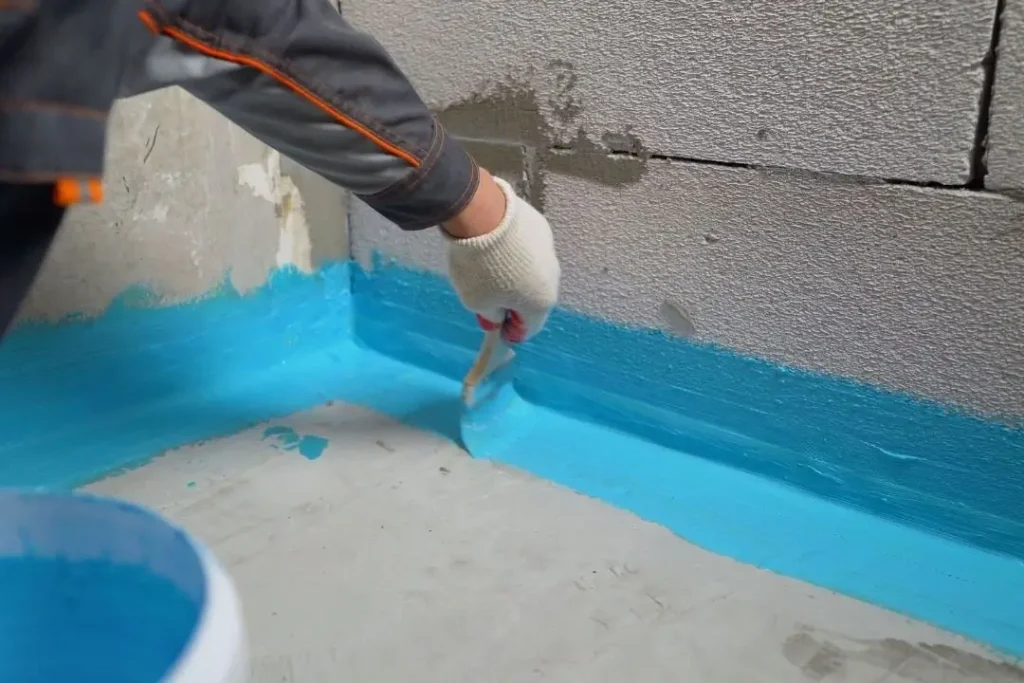
AS 3740 sets out exactly how bathrooms should be waterproofed, from shower walls to floor areas that collect water. Licensed waterproofers know how to apply membranes correctly and seal tricky junctions so the entire bathroom is protected. So it’s best to hire a licensed professional if you’re organising your own bathroom renovation instead of hiring a local Gold Coast bathroom builder.
Bathroom Layout and Design Considerations
The way a bathroom is designed can be the difference between a space that stays fresh and one that constantly struggles with mould. Design choices affect how air moves, how water drains, and how easy the room is to keep clean. When these details are considered early in a bathroom renovation, the space is far better equipped to handle daily moisture.
Airflow
A bathroom that allows air to circulate freely will dry out much faster than one that feels boxed in. When vanities, cupboards, or shelving are oversized, they interrupt airflow and create pockets where moisture lingers. Keeping the layout more open makes the whole room easier to ventilate and less likely to trap dampness in corners.
Shower Placement
Where the shower sits in the room has a big impact on how steam moves. Enclosing the shower or positioning it away from the entry door helps contain steam in one area instead of letting it spread across the bathroom. This design choice gives the fan a better chance to clear moisture quickly and keeps the rest of the room drier.

Drainage
Floors that are properly sloped towards the drain prevent water from pooling. Even small puddles left sitting for hours soak into grout and give mould an easy place to start. Correct drainage also makes daily cleaning easier as water naturally runs off rather than collecting in corners.
Material Choices
The finishes you choose either help slow mould growth or create surfaces where it takes hold more easily. Tiles with smooth, sealed surfaces are far easier to clean and mould-resistant grout or paints stop spores from settling in the first place. Products like Bostik White Smooth Grout are designed to resist mould while keeping surfaces easy to maintain. Selecting the right materials during a renovation reduces maintenance and helps the bathroom stay fresh for years.
Practical Mould Prevention Tips for Homeowners
Even with good design, ventilation, and waterproofing, a bathroom still needs regular care to stay mould-free. Simple habits make a room stay dry and slow down mould growth:
- Clean and dry surfaces. Mould feeds on soap scum and damp grout so regular cleaning is one of the easiest defences. Wiping down tiles, mirrors, and shower screens after use helps remove moisture before it settles. This consistency keeps mould from getting a foothold.
- Run the fan longer. An exhaust fan should keep working after a shower ends because steam lingers in the air. Running the fan for 10 to 15 minutes helps the bathroom dry properly, and a timer switch makes it effortless to do every time.

- Use mould-resistant finishes. Modern paints, sealants, and grout mixes often include mould inhibitors. Choosing these products during a renovation adds another layer of protection and makes cleaning easier long-term.
- Avoid clutter. Crowded benchtops and shelving stop air from circulating properly. Damp air trapped around stored items creates perfect conditions for mould. Keeping surfaces clear improves ventilation and makes cleaning quicker.
- Check for leaks. Even small drips under a vanity or behind a tap create damp spots that stay hidden. Regularly inspecting fixtures and plumbing lets you catch issues early, before they turn into costly repairs.
Keeping Gold Coast Bathrooms Mould-Free for the Long Term
Mould isn’t something homeowners should accept as part of bathroom life. It’s a clear sign that moisture isn’t being managed properly, whether that’s from poor ventilation, compromised waterproofing, or a layout that traps steam. The good news is that all of these issues can be solved when a bathroom is designed and built the right way. With effective fans, compliant waterproofing membranes, and a layout planned to encourage airflow and drainage, mould doesn’t stand a chance. Your bathroom will be far more durable against mould.
If you’re planning a bathroom renovation for your home, work with professionals who understand these details and know how to build for the Gold Coast’s climate. Our team takes care of everything from ventilation and waterproofing to smart layouts that keep moisture under control. Get in touch today to start planning a bathroom that looks stunning, functions properly, and stays mould-free for years to come. Call (07) 5651 1406 to schedule a free onsite inspection and quote today!