Queensland might be famous for warm weather, but anyone who’s walked across a tiled bathroom floor on a winter morning knows the chill can bite. The season is short compared to the southern states, but those cool mornings in Brisbane, the Gold Coast, or the Sunshine Coast still make bathrooms feel less than inviting. Underfloor heating is one solution homeowners often consider when renovating. It promises warmth underfoot and an extra touch of comfort. But is it worth the investment in a climate where heating is only needed for part of the year?
In this post, we’ll unpack the benefits, costs, and alternatives so you can decide whether underfloor heating makes sense for your Queensland bathroom.
Comfort Benefits
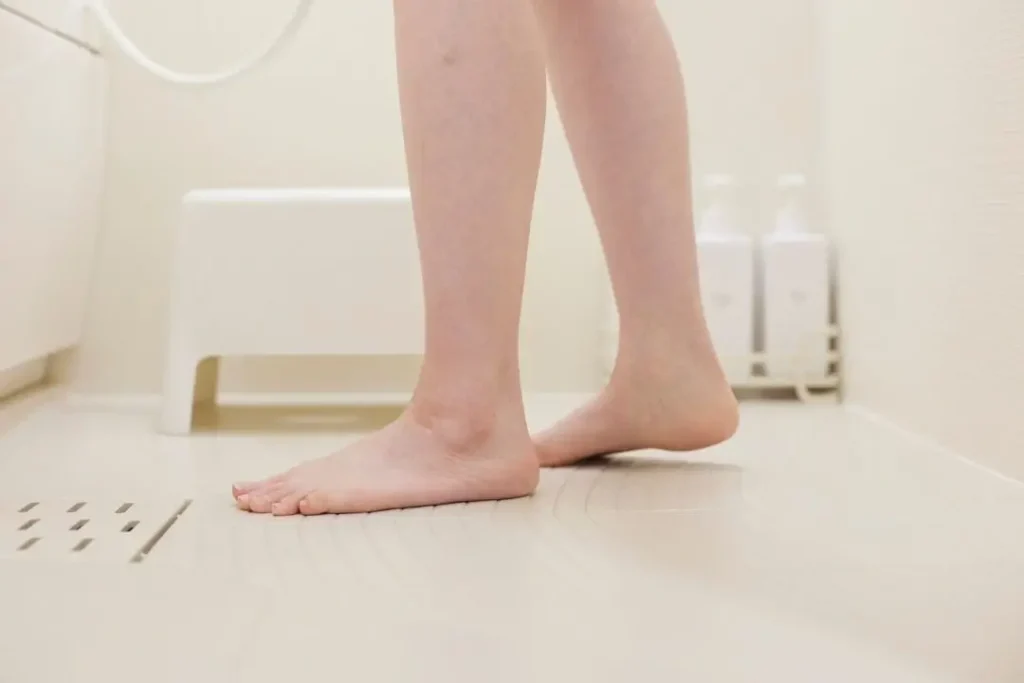
The main appeal of underfloor heating is the comfort it brings. Instead of the shock of stepping onto icy tiles, gentle radiant heat rises evenly through the whole room. Unlike wall-mounted heaters that blast hot air in one spot, this system creates a consistent warmth from the ground up.
The effect goes beyond practicality. A warm floor on a cool winter morning can make the start of your day feel calmer and more inviting. For many homeowners, it adds a touch of luxury that turns a standard bathroom into something closer to a spa. For those planning a bathroom renovation in North Brisbane, underfloor heating can be a worthwhile comfort upgrade that makes a noticeable difference during the cooler months.
Cost Considerations
Underfloor heating isn’t the cheapest way to warm a bathroom. Installation costs are much higher than adding a heated tower rail or a compact wall heater, and because the mats or cables sit beneath the tiles, the work should be done during a full bathroom renovation so it doesn’t quite work if you’re retrofitting an existing bathroom.
Running costs are another factor. Because heating is only needed for a short season, the system may be used just a couple of months each year in Queensland, making it more of a comfort upgrade than an essential. On the flip side, in high-end homes or premium apartments, underfloor heating can lift the overall feel of the bathroom and even add appeal for future buyers.
Power Consumption
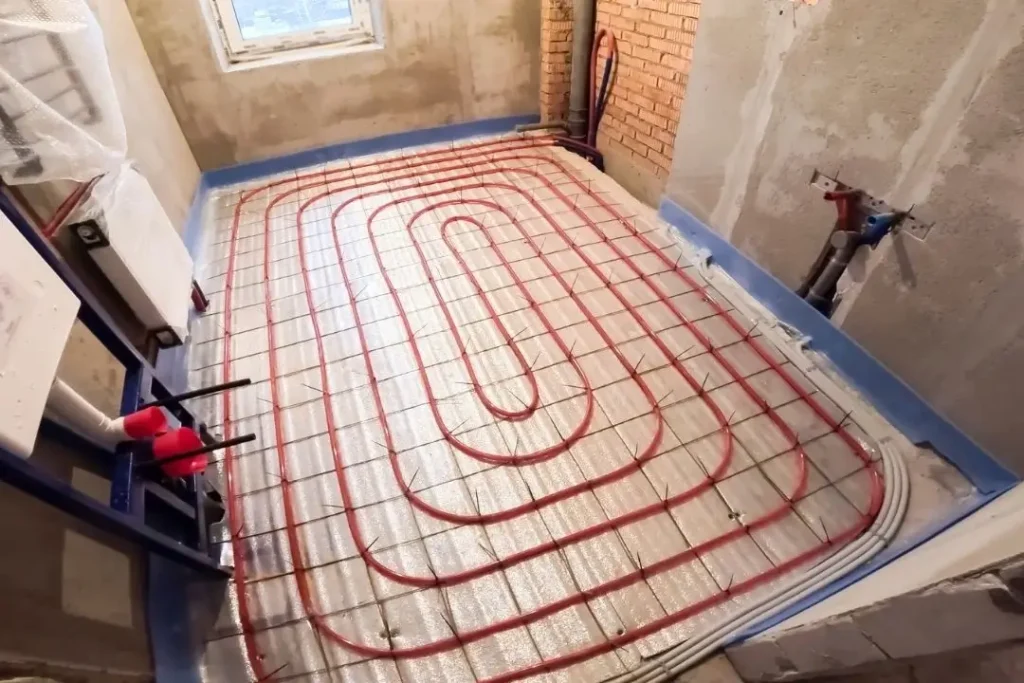
Electric underfloor heating uses mats or cables installed beneath your tiles. These systems draw more power than a small water heater, but they create a steady, even warmth that feels very different from a quick blast of hot air from a wall-mounted heater.
Because winters are mild in Queensland, most households only use bathroom heating for short bursts in the mornings. This lighter usage helps keep running costs down. For homes already fitted with solar panels, the impact on power bills can be reduced even further, making the system more appealing for eco-conscious homeowners.
Installation Requirements
Underfloor heating works best when planned as part of a full bathroom renovation. The tiles need to be lifted so the heating mats or cables can be laid beneath the floor, which adds time and cost to the project. Retrofitting isn’t usually practical unless you’re already redoing the flooring. It’s also important to check the condition of what’s underneath before installing a heating system, since issues like leaks, rot, or damaged subfloors can affect how well it performs. These are the kind of nasty surprises under the floor that often show up once old bathrooms are opened up, and they need to be addressed before the heating goes in.
Because electricity and waterproofing are involved, installation must be carried out by QBCC-licensed professionals. This ensures your system runs safely and complies with Queensland building standards. When done properly, underfloor heating should perform reliably for many years, but it’s not something to tackle as a DIY job.
Alternatives to Underfloor Heating
If underfloor heating doesn’t feel like the right fit, there are plenty of other ways to take the chill out of a bathroom on a cold winter morning:
- Reverse cycle air conditioning can warm nearby zones, though it’s less targeted for bathrooms themselves.
- Wall-mounted electric heaters or heated towel rails provide compact heating that’s effective for small spaces.
- Portable heaters are a budget-friendly option but not the safest choice in wet areas.
- Insulated rugs or heated mats are quick, affordable fixes, which are especially handy for renters or anyone not planning a full renovation.
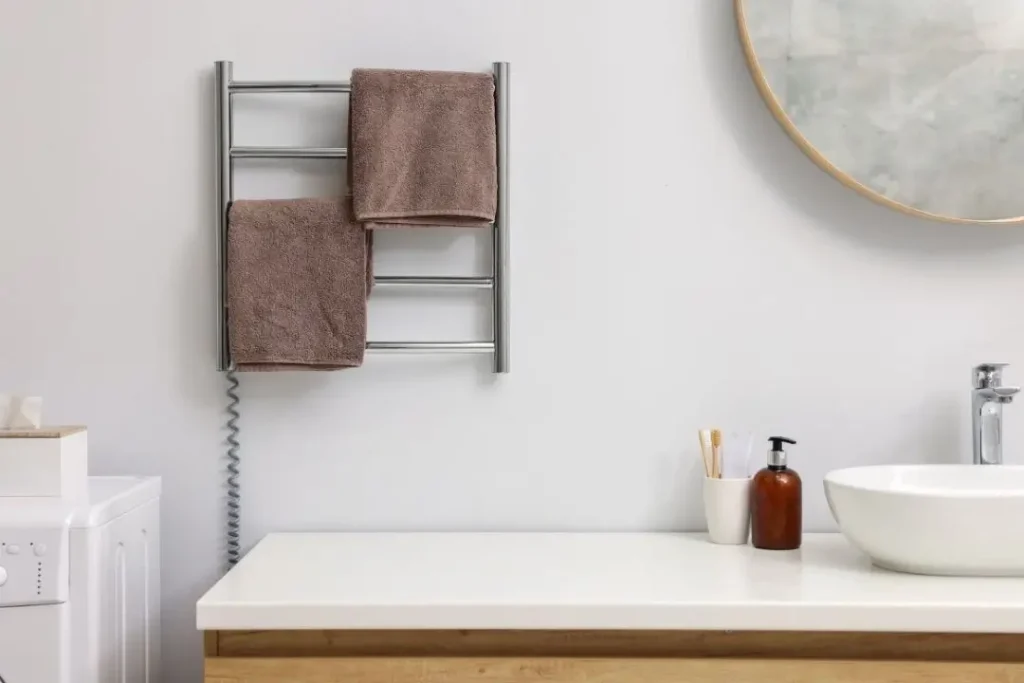
These options deliver comfort at a fraction of the cost and are easier to install making them suitable for simple retrofitting existing bathrooms. For many Queensland households, they provide more than enough warmth during the short winter season.
Is Underfloor Heating Worth It in Queensland?
Underfloor heating in Queensland bathrooms sits firmly in the “luxury upgrade” category. It adds undeniable comfort and can elevate feel of a space, but for most households, it’s not a necessity. With winters that are short and mild, many homeowners find alternatives like heated towel rails or compact wall heaters more practical for everyday use. However, in some luxury bathroom renovations, underfloor heating is often added for comfort and to boost resale appeal.
If underfloor heating is on your wish list, we can make it a seamless part of your renovation. Our team designs and builds bathroom renovations across the Gold Coast and Brisbane. We can install an underfloor heating system during the renovation process so it works perfectly with your tiles, waterproofing, and overall design. Contact us today on (07) 5651 1406 for a free onsite consultation and quote to create a bathroom that greets you with warmth.