A bathroom renovation feels like the start of something exciting, with the promise of a fresh and modern space. However, the reality is that once tiles come up or walls are opened, it’s common to uncover problems that have been hidden for years. Older properties across the Gold Coast, including Queenslander homes, brick-and-tile houses, and 70s and 90s apartments, are especially prone to issues caused by age, moisture, and the local climate. While these discoveries can add cost and extend timelines, knowing what might be waiting behind the walls helps you plan ahead and avoid bigger problems later. In this post we examine 9 of the most common hidden issues we discover during a Gold Coast bathroom renovation.
1. Rotten Subfloors
Leaks that go unnoticed for years, poor ventilation, or waterproofing that has broken down often leave timber subfloors in bad shape, especially on the Gold Coast where coastal humidity accelerates timber decay. Once the tiles are removed, you may find spongy or soft flooring that’s unsafe to walk on and needs complete replacement before new finishes can be laid. This is a frequent problem in older homes where bathrooms were built without today’s waterproofing standards. Leaving rotten subfloors unaddressed allows moisture to spread into adjoining rooms and can even attract termites, making early replacement essential during a renovation.
2. Unexpected Pipework
Pulling back walls during a renovation can reveal outdated or poorly installed plumbing. Some older homes in the Gold Coast region still have galvanised steel or corroded copper pipes, which can restrict water flow, reduce pressure, and increase the risk of leaks. In some other cases, past DIY work or old connections may not meet current Queensland plumbing codes, creating a compliance issue that must be fixed before the renovation continues.
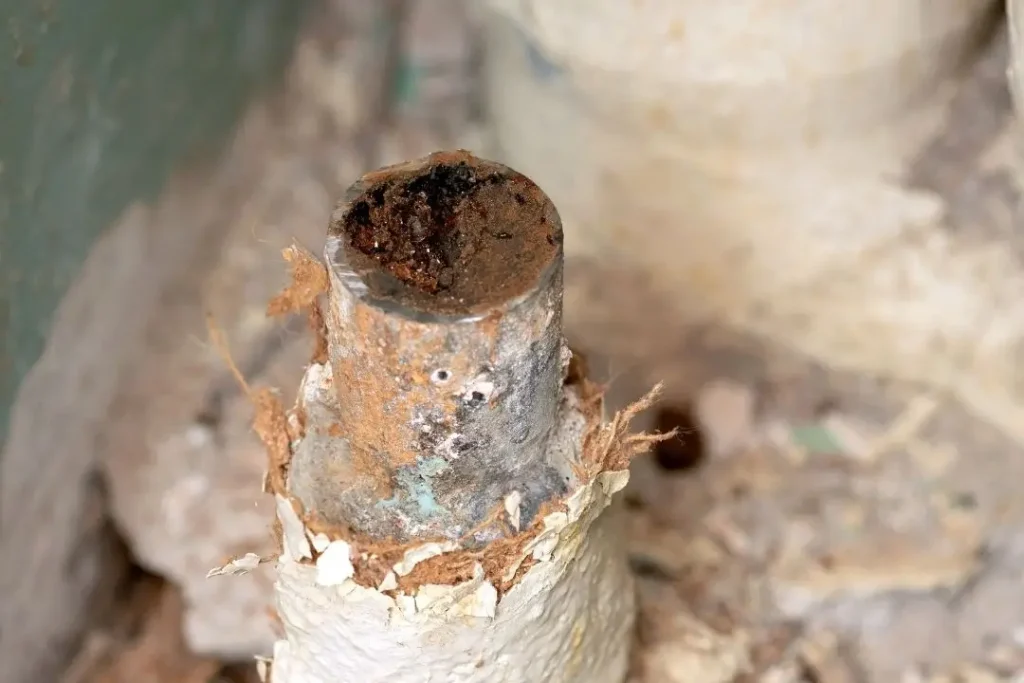
Updating the pipework may add time and additional costs to the project, but it ensures your new bathroom runs efficiently and passes inspection.
3. Asbestos
Many bathrooms built before 1990 contain asbestos in wall sheeting, ceilings, or vinyl flooring underlays. While sealed asbestos isn’t a concern, it becomes dangerous once disturbed during demolition, which is why testing and safe removal by a licensed professional is essential. For information on how to properly dispose of asbestos material, always follow the City of Gold Coast guidelines on asbestos disposal.
Renovation on older Gold Coast properties often reveals these hidden materials, and handling them correctly protects your health and the renovation team.
4. Hidden Mould Growth
Bathrooms create the perfect environment for mould, especially in the humid GC climate. It often grows silently behind tiles, wall linings, or under flooring where ventilation is poor. Left untreated, it can spread quickly, damage building materials, and trigger health problems for residents.
Renovations give you the chance to properly identify and remove mould before it becomes a bigger issue. Improving airflow with modern exhaust fans and choosing moisture-resistant materials helps prevent mould from coming back. Click here to read our blog post for more tips info on how to prevent mould in your bathroom.
5. Outdated Electrical Wiring
Behind the walls of older bathrooms, it’s common to find wiring that doesn’t meet today’s safety standards. Faulty or unprotected wiring is a serious hazard, especially in a wet area where the risk of electric shock is high. Queensland’s current codes require bathrooms to be fitted with RCD protection and installed by a licensed electrician.
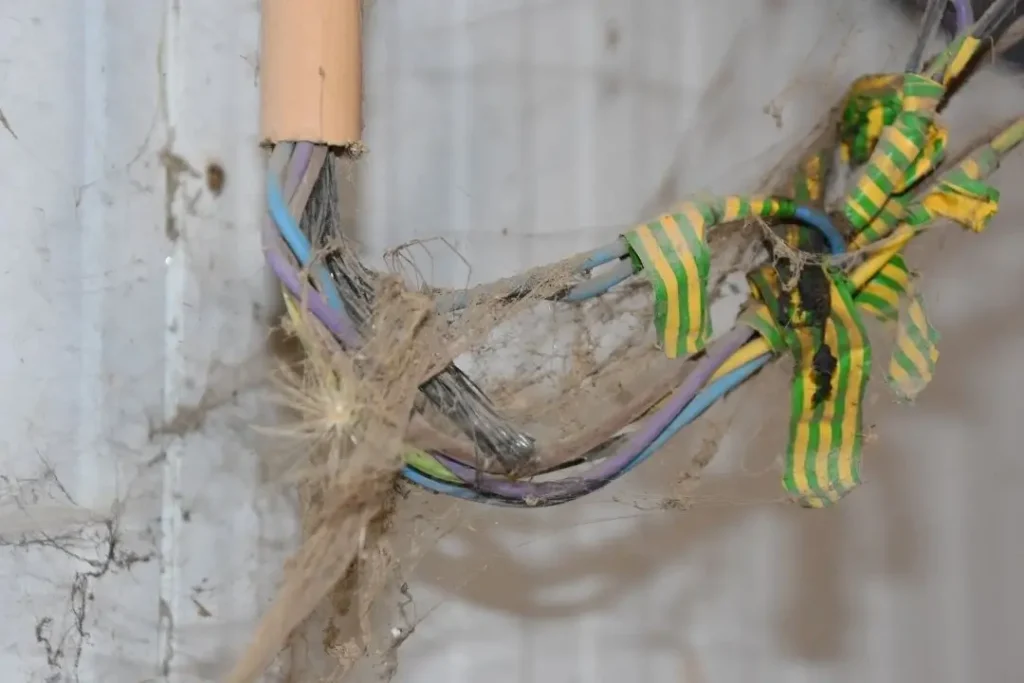
When older wiring is uncovered, it usually needs to be replaced before the renovation can move forward. This prevents dangerous faults and makes sure the bathroom complies with Queensland electrical rules.
6. Damage from Termites and Pests
Bathrooms often attract termites because of the constant presence of moisture and timber framing. These pests are common across South East Queensland and can cause serious structural damage before homeowners even realise they are there. Discovering termite activity during a bathroom renovation can be frustrating, but it’s best to address the problem as soon as possible to prevent further damage.
Once termites or other pests are found, the renovation usually pauses until proper treatment is carried out. Repairs may include replacing wall studs, flooring, or other compromised timber so the structure is safe again.
7. Crumbling Plasterboard or Drywall
Years of steam, splashing, and condensation often weaken the walls and ceilings of old bathrooms. Plaster or drywall that looks solid on the surface can crumble once tiles are removed, leaving little choice but to replace it. This is especially common in the Gold Coast due to the humidity that accelerates wear and tear.
Replacing compromised plasterboard surfaces is usually the only way to create a strong base for new tiles or paint. Renovations provide the chance to use modern, moisture-resistant plasterboard or cement sheeting that handle damp conditions much better than standard plasterboard. This process is part of our full bathroom renovation service alternatively if you’re coordinating and project managing your own bathroom renovations then it’s best to hire a professional Gold Coast plasterer for this step as getting flat, level, and straight walls is integral for tiling and subsequent steps in the bathroom renovations process.
8. Structural Issues
Hidden leaks or years of dampness can weaken the framework that holds a bathroom together. Floor joists, wall studs, or even sections of concrete slab may be affected, and the damage often only becomes clear once demolition begins. These problems are serious and can quickly increase renovation costs if not addressed early.

When structural damage is uncovered, professional repair is essential before any new work goes ahead. Reinforcing or replacing affected areas restores the bathroom’s strength and safety. Planning a budget buffer for potential structural repairs helps reduce stress if these issues arise.
9. Non-Compliant or Failed Waterproofing
Many older bathrooms were built before waterproofing membranes became standard, and others have membranes that have simply worn out over time. When this barrier fails, water seeps into adjoining rooms or through floors, leading to mould, structural damage, and costly repairs. Renovations often reveal these hidden issues once tiles or flooring are removed.
The only long-term solution is to strip the bathroom back and install a new membrane that meets current Queensland requirements under AS 3740 waterproofing standards. Although this can add time and cost, it ensures the space is properly sealed and protected.
Planning Ahead for Hidden Bathroom Problems
Bathroom renovations in older homes often reveal more than meets the eye. From rotten subfloors and mould to outdated wiring and failed waterproofing, these hidden issues are especially common in Gold Coast properties where age, humidity, and past building practices can contribute to hidden damage. While they can add cost to a project, fixing them during the renovation prevents even bigger problems later on.
If you’re planning a bathroom renovation on the Gold Coast, it helps to work with bathroom renovation contractors who know how to uncover hidden issues before they derail your project. We make sure problems like leaks, mould, or outdated wiring are handled the right way, keeping your renovation on track and your home protected. Call (07) 5651 1406 today for a free quote, so the only surprise you get is how good your new bathroom looks.